
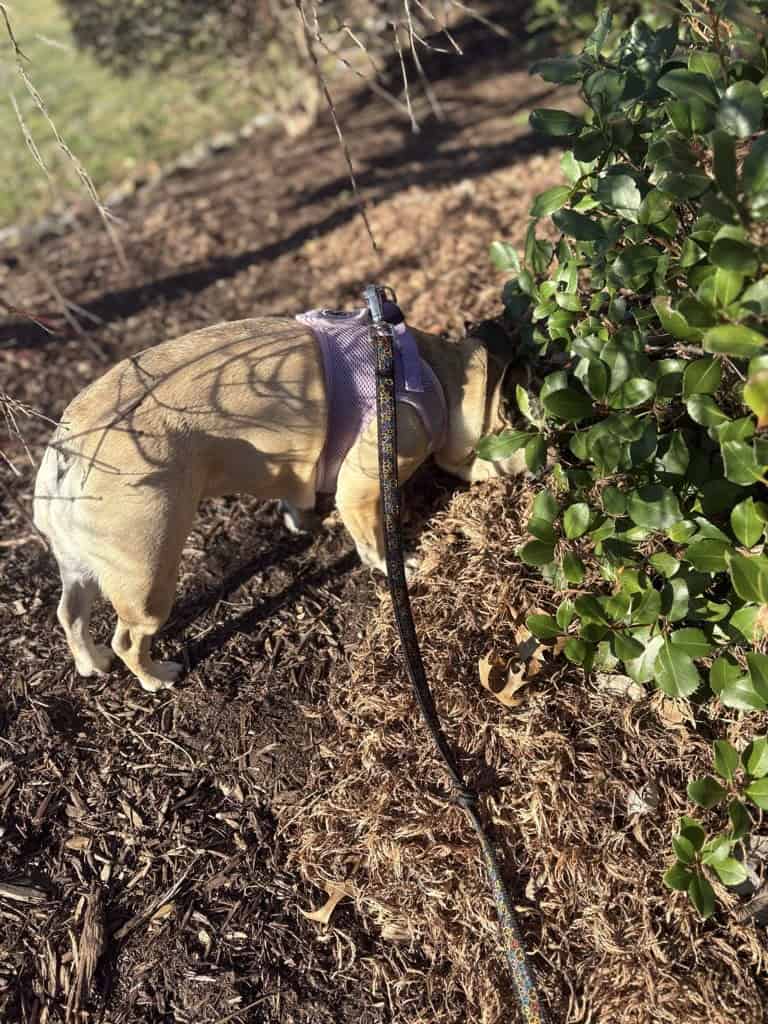
Virginia gives people plenty of reasons to leave the house in the summer. There are mountain trails, wooded state parks, river paths, coastal routes, and enough day-trip options that a Saturday can turn into a small adventure without much effort. If the family is heading out, it makes sense to ask whether the dog can come too.
Often, the answer is yes. Not every trail is a dog trail, and not every summer day is made for a long hike, but Virginia has a lot to offer dogs who enjoy being outside with their people. A little planning turns the idea from “Should we bring the dog?” into “Which hike makes the most sense today?”
Whether you are thinking about the Shenandoah Valley, the Natural Bridge area, George Washington National Forest, a Virginia state park, or a familiar local trail like First Landing, the basic idea is the same. Pick the right place, bring what you need, and let the day be enjoyable instead of overcomplicated.
Choose the Trail Before You Choose the Adventure
Virginia has famous hikes, but famous does not always mean dog-friendly or summer-friendly. Old Rag may be part of the broader Virginia hiking conversation, but it is also a good reminder to check the actual trail rules before planning the day around your dog. Some parks allow dogs on most trails. Some restrict them on specific routes. Some areas have leash rules, seasonal limits, or narrow trails that are not worth forcing.
Once the rules are clear, choose the hike that fits the day in front of you. A shaded loop in a state park may be better than a long climb. A quiet wooded trail may be better than a crowded overlook. A shorter route with an easy turnaround can be more enjoyable than a hike that locks everyone into finishing the whole thing.
This is where Virginia works in your favor. You do not need the biggest hike in the state to have a good day. First Landing, York River State Park, Pocahontas State Park, the Natural Bridge area, and plenty of Shenandoah-adjacent trails can all offer different versions of the same thing: new smells, time outside, and a change of scenery.
Work With Virginia Summer, Not Against It
Everyone who lives here knows the deal. Virginia summer comes with heat, humidity, and the kind of afternoon air that makes even a short walk feel heavier than expected. That does not mean your dog needs to stay home all summer. It means the better hikes start earlier, stay shaded when possible, and leave room for common sense.
An early start solves a lot. The trail is cooler, the parking lot is easier, and everyone has more patience. It also gives you room to adjust if the weather changes or the hike takes longer than expected. Most of the best summer hiking with a dog is not about toughness. It is about timing.
Shade matters too. The good news is that many Virginia trails already offer it. Wooded routes, creekside paths, and forested state park trails make more sense in July than exposed routes with long stretches of direct sun. If you would be annoyed by the heat halfway through the hike, your dog probably will be too.
Bring for Your Dog What You Bring for Yourself
The packing list does not need to be dramatic. Bring water for yourself and water for your dog. Bring a way for your dog to drink it. Bring waste bags, a leash, and something useful for the car afterward, especially if the trail is muddy or the dog finds every damp patch within reach.
A collapsible bowl earns its keep quickly. So does an extra towel. Treats can help during breaks, and a basic first aid kit is never a bad idea if you spend time outdoors. None of this turns the hike into an expedition. It simply keeps small inconveniences from becoming the thing everyone remembers.
The cleanest rule is the one you already named: bring for your dog what you would want available for yourself. Water, breaks, shade, a reasonable pace, and a way to clean up afterward. That covers most of the day.
Share the Trail Well
A dog-friendly trail is still a shared space. Good trail manners make the outing better for everyone, including your dog. Keep the leash manageable, especially around blind turns, narrow paths, children, bikes, horses, and other dogs. A friendly dog can still surprise someone, and not every dog on the trail wants an introduction.
The easiest approach is to give people space before space becomes necessary. Step aside when needed. Keep greetings brief unless both owners clearly want them. Pack waste all the way out, not halfway out and not in a bag left beside the trail for “later.” Later has a way of becoming someone else’s problem.
There is also the wildlife part of the trail. Virginia woods are alive, which is part of the appeal. In warmer months, it is worth paying attention around logs, rocks, brush, and water edges where a curious dog may want to investigate. Rope toys are fun at home. On trails, some things that look like sticks or toys bite back.
That line does not need to make the hike scary. It simply belongs in the same category as watching your step, staying on the trail, and not letting curiosity do all the decision-making.
Let the Day Be Good Without Making It Perfect
A good hike with your dog does not have to be long, impressive, or worthy of a framed photo. Sometimes it is a shaded mile, a slow loop, a creekside pause, and a ride home with the dog asleep before you leave the parking lot.
That is one of the best parts of bringing a dog along. They are not judging the route by elevation gain or internet popularity. They care that they got to go, sniff somewhere new, move with their people, and come home pleasantly tired.
Virginia has enough outdoor variety that there is room for all kinds of summer dog adventures. Some days call for the bigger trip. Some days are better for a local trail, an early walk, and a quiet afternoon afterward. Any day spent with your dog is a day well spent.