
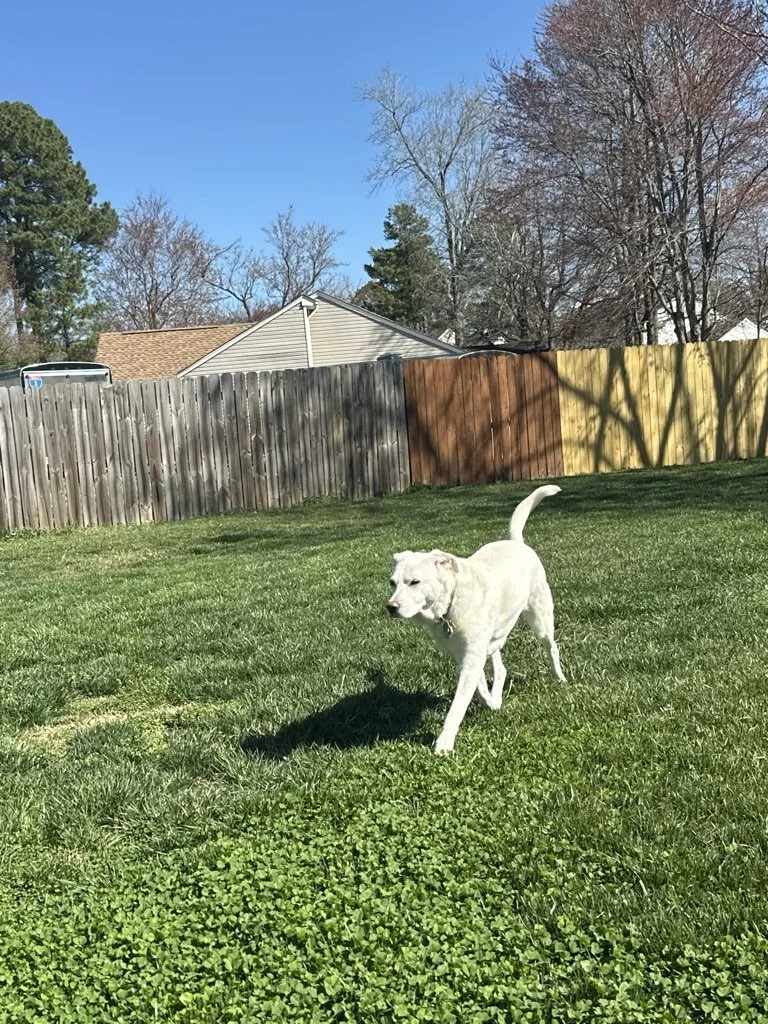
Virginia Beach summers can make a normal dog walk more complicated than it seems. Once temperatures climb near 90 degrees, most dogs should not be taking long walks. It can be difficult to know when is it too hot to walk a dog in Virginia Beach, and the answer depends on more than the number on the weather app. Humidity, air quality, shade, pavement, breed, age, health, behavior, and the layout of the home all play a part.
A dog with a fenced backyard may only need a quick let-out on a hot afternoon. A dog in a condo, apartment, townhome, or house without a secure yard still needs to get outside so the home stays clean and the dog stays comfortable.
At Stable Hands Pet Care & Services, we have been walking dogs through Virginia Beach summers since 2015. We do not treat heat as a reason to ignore a dog’s needs. Heat is an obstacle to work around. The job is to adjust the visit to the weather, the surface, and the individual dog in our care.
What Temperature Is Too Hot to Walk a Dog?
A good general rule is that once the temperature is over 89 degrees, it is too hot for anything more than a quick potty break for many dogs. In Virginia Beach, that rule needs context because summer heat rarely shows up alone. It often comes with heavy humidity, poor air quality, strong sun, and neighborhoods with limited tree cover.
A shaded morning walk at 84 degrees can feel very different from an exposed sidewalk walk at the same temperature later in the day. During the hottest stretches of summer, it can stay above 89 degrees for much of the day and well into the evening. Dogs still need relief, especially when there is no fenced yard available.
That is why we look at the full picture:
- actual temperature
- heat index
- humidity
- air quality
- time of day
- shade availability
- surface temperature
- the dog’s age, breed, health, and behavior
- whether the dog has another safe way to potty
Most summer decisions come down to adjustment. On very hot days, that may mean a quick potty-focused walk, a slower pace, shaded routes, grass instead of pavement, or a shorter outdoor portion followed by indoor enrichment.
Is It Too Hot to Walk My Dog on Pavement?
Air temperature is only one consideration. Pavement, sidewalks, parking lots, sand, and other hard surfaces can get much hotter than the air around them.
There are charts all over the internet showing how pavement can become dangerous even when the air temperature is only in the mid-70s. Those charts can be useful, but in real life we prefer a simple field test.
At Stable Hands, we use the flat-palm test. Place your palm flat on the pavement. If you can comfortably hold it there for five seconds, the surface is usually safe enough for a short walk. If you cannot hold your palm there, it is too hot for your dog’s paws.
When the surface is too hot, the route changes. We use grass when it is available, choose shaded sidewalks, avoid exposed asphalt and parking lots, shorten the walk, or turn the outdoor portion into a potty break before moving inside for attention or enrichment.
This is especially important in beach neighborhoods, condo complexes, apartment communities, and areas with long stretches of exposed sidewalk. A route that works beautifully in March may not be appropriate in July.
What Dogs Are Most Impacted by Summer Heat?
The dogs most impacted by heat are exactly the ones you would expect, along with a few you might not.
Short-faced dogs need extra care. Bulldogs, French Bulldogs, Pugs, Boxers, and similar breeds can have a harder time managing heat because of how they breathe.
Senior dogs also need a closer eye. Even if they still enjoy getting outside, they may tire faster, recover more slowly, or have underlying health concerns that make hot weather harder on their bodies.
High-energy working breeds are another group people sometimes underestimate. Australian Cattle Dogs, Border Collies, Australian Shepherds, and similar dogs may want to keep going long after the conditions say they should stop. They are often driven, focused, and eager to work. Those traits can be wonderful in the right setting, but in summer heat they need someone making the safer call for them.
Dogs can also surprise you. Years ago, I provided midday let-outs for two Huskies who were happiest on 90-degree-plus days. They would go outside, lie in direct sun, and have very little interest in coming back inside. That does not mean every Husky should be treated that way. It means the individual dog still has to be part of the decision.
Breed gives us useful information. Experience with the specific dog gives us better information.
How to Work With or Around the Heat
Dogs need to get outside. Heat does not remove the need, but it does change the plan.
A dog may still need to potty, stretch, sniff, move, and get a break in the day. In hot weather, the safest approach is usually to reduce the demand of the walk rather than remove the visit completely.
That can mean walking earlier than usual, avoiding the hottest part of the afternoon, bringing water, staying in the shade, using grass when pavement is too hot, slowing the pace, and making the walk more about potty relief than distance. For dogs with sensitive paws, booties may also be worth considering.
This is especially true for midday walks. During cooler parts of the year, a midday visit may include a fuller exercise walk. During the summer, that same visit often needs to become more practical: potty relief, water, shade, a shorter route, and calm indoor attention.
A good summer visit should leave the dog relieved, comfortable, and safe. Distance is not the only measure of success.
How Stable Hands Handles Summer Heat
Stable Hands has been dealing with Virginia Beach summer heat since 2015. Over time, we have built weather-related policies and visit standards around what we see in client homes, neighborhoods, and out on dog walks.
During hot weather, we often recommend moving midday visits earlier in the day when possible. This helps avoid the hottest part of the afternoon, especially for dogs who are older, short-faced, high-energy, heat-sensitive, or walking in neighborhoods without much shade.
When the heat changes what is safe, our team adjusts the visit. That may mean walking for only 10 to 20 minutes, focusing the outdoor time on potty relief, choosing shade and grass, using a yard let-out instead of a full walk when appropriate, checking water, watching the dog’s behavior, and finishing longer visits with indoor enrichment or calm attention.
If a client books a longer visit, we do not assume the entire visit should be spent walking outside. In summer, a well-run visit may include a shorter outdoor portion and more time indoors. That still gives the dog care, attention, and a break in the day without forcing a walk that conditions do not support.
That is part of being Partners in Pet Care. We use the plan as the starting point, then apply judgment based on the weather, the home, and the pet in front of us.
Summer does not have to stop your dog from getting care. It does mean the care should adjust with the season.