
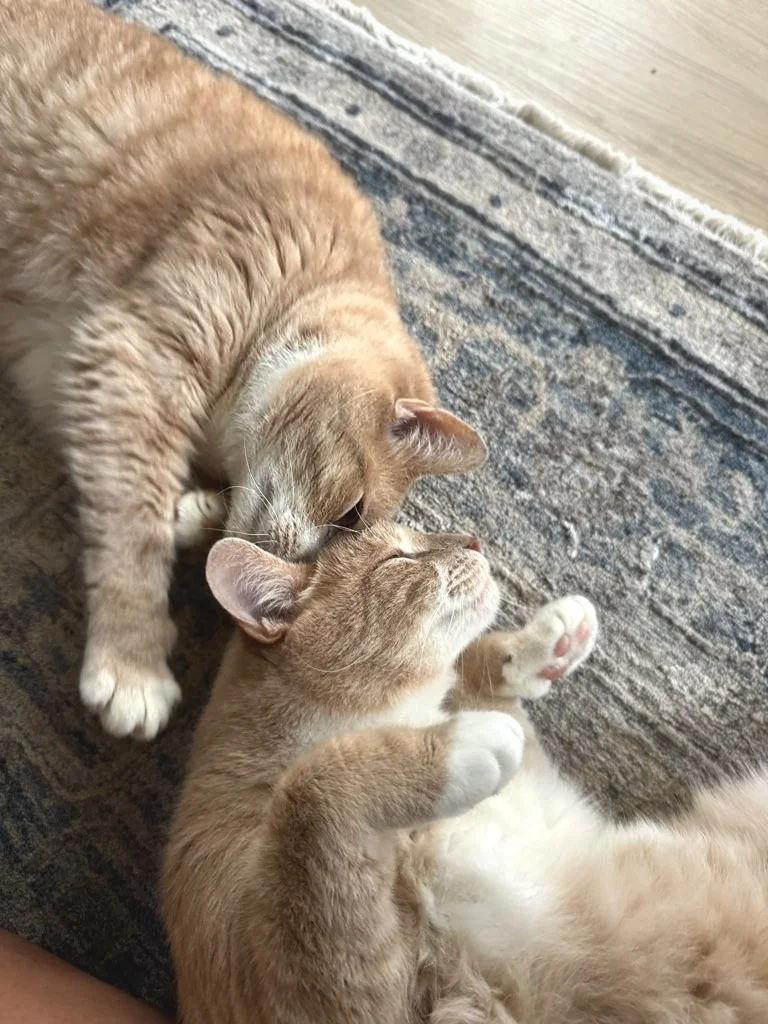
Cats have a reputation for independence, and that reputation is only partly useful when planning care. Many cats do prefer familiar rooms, familiar smells, and a familiar routine over the disruption of boarding or travel. That does not mean they should go days without a person checking on them.
At Stable Hands Pet Care & Services, we require daily cat sitting visits while a client is away. A cat visit is not only about putting down food and scooping the litter box. It is a daily safety check, a routine check, and a chance to notice whether something in the home or in the cat’s behavior needs attention.
For families in Virginia Beach, Norfolk, and Chesapeake, the right cat sitting schedule depends on the cat, the home, and the care routine. Some healthy adult cats do well with one thoughtful visit each day. Other cats need more time, more structure, or more than one visit to stay comfortable and properly cared for.
Why Stable Hands Requires Daily Cat Visits
Daily cat visits protect against the ordinary surprises that happen inside real homes. Cats can trap themselves in closets, get into rooms where they should not be, knock over water bowls, disrupt feeding stations, or find trouble in a way no written instruction could fully predict. We have even seen cats turn on a gas stove, which is the kind of incident that explains why a daily check matters.
A daily visit also respects the social side of cat care. Some cats keep their distance from new people, but many still benefit from a familiar rhythm, a calm presence, and predictable attention. Even a cat who does not want to be held or played with may still want to know someone came through the home, refreshed the routine, and kept the environment steady.
The daily standard gives the care team a clear baseline. It prevents a cat’s care from becoming a series of assumptions made from a distance. It also gives the sitter a chance to compare one visit to the next, which is often how small changes become visible.
What a Cat Sitter Watches for During a Visit
Good cat sitting requires observation. Cats are skilled at hiding distress, and the first signs of a problem do not always appear as dramatic behavior. A sitter who knows what to look for pays attention to the litter box, appetite, water, vomiting, hiding, activity level, and whether the cat’s behavior fits the household’s normal pattern.
The litter box often gives the clearest information. Less urine than expected, small spots of blood, unusual stool, or a box that looks noticeably different from the prior visit can all be worth reporting. These signs do not allow a sitter to diagnose a medical condition, but they do help the care team alert the owner quickly when something deserves attention.
Vomiting also needs context. A hairball or a small amount of food after eating too quickly tells one story, while repeated vomiting or yellow bile tells another. The sitter’s job is to notice the difference, document what happened, and communicate clearly so the owner can decide what step to take next.
How Many Visits a Day Is Right for Your Cat?
For many healthy adult cats, one visit per day works well. This is especially true for cats with a simple feeding routine, no scheduled medication, reliable litter habits, and a lower social drive. These cats may appreciate a little play or attention, but they mostly want their food, water, litter, and home routine handled with calm consistency.
Twice-daily visits are a better fit when the care routine carries more responsibility. Cats who need medication more than once per day, cats with health concerns, and cats who need closer observation should not have their care compressed into one brief daily check. A second visit gives the sitter another chance to observe appetite, litter box use, behavior, and overall comfort.
Multi-cat homes also deserve careful planning. Multiple cats can mean multiple feeding stations, separate diets, different medication needs, litter box monitoring, and social dynamics that change while the family is away. In those homes, the question is not only how many cats live there, but how much care has to happen correctly at each visit.
How Long Should a Cat Sitting Visit Be?
The right visit length depends on the number of tasks, the complexity of those tasks, and the cat’s need for interaction. A healthy adult cat with a simple routine and little interest in social time can often receive excellent care within an Essential Care 10-20 minute visit. That visit allows the sitter to refresh food and water, clean the litter box, check the home, observe the cat, and send a clear update.
Longer visits make sense when the household asks more of the sitter. Multiple cats, medication, complex feeding routines, shy cats who need time to appear, and playful cats who want attention all require more room in the schedule. A longer visit protects the quality of care because the sitter has time to complete the routine without rushing through observation.
Visit length should match the actual household, not an abstract idea of cat care. Some cats need efficient, quiet support and very little handling. Others need time for play, reassurance, medication, cleanup, or careful separation during meals.
How to Set Your Cat Sitter Up for Success Before You Leave
The best way to help your care team is organization. Food should be in the location described in the pet’s Time to Pet profile, or placed clearly on the counter before travel begins. Clean bowls should be available for wet and dry food, and litter bags should be easy to find.
Physical notes can help when they are organized well. The clearest notes are arranged by visit time first and pet second, especially in homes with multiple cats or more complex routines. That structure lets the sitter move through the visit in the same order the care needs to happen.
A good setup prevents the sitter from spending visit time searching, decoding, or guessing. It also reduces the chance that an important instruction gets buried under a list of household details. Cat sitting works best when the care plan in the profile, the supplies in the home, and the notes left for the sitter all point in the same direction.
Choosing the Right Cat Sitting Rhythm
The right cat sitting schedule should fit the cat in front of you. A healthy, independent adult cat with a simple routine may do well with one daily visit, while a senior cat, medical cat, social cat, kitten, or multi-cat household may need more time or more frequent care. The goal is to choose a rhythm that keeps the cat’s routine steady and gives the sitter enough opportunity to observe what is happening.
Stable Hands builds cat sitting around daily care, clear communication, and practical attention to the home environment. We care for cats in Virginia Beach, Norfolk, and Chesapeake with the understanding that good cat care is specific. Food, water, litter, medication, social needs, and small behavior changes all matter when a family is away.
A well-planned cat sitting schedule gives your cat structure and gives you a clearer picture of how things are going at home. It also gives the sitter enough time and context to do the work carefully. When the visit frequency and visit length match the household, cat sitting becomes calmer, cleaner, and more reliable for everyone involved.