
If you are leaving town for the first time and hiring a pet sitter, the question in the back of your mind is simple. What happens once you pull out of the driveway and your pets are home without you? The answer starts before the visit ever begins. We review care notes, feeding instructions, pet profiles, and recent client messages so we walk in prepared for the home, the pets, and the details that shape the visit. Some first visits unfold exactly as expected. Others require an immediate adjustment. How does pet sitting work in real life? It begins with preparation, observation, and the ability to settle into the routine quickly.
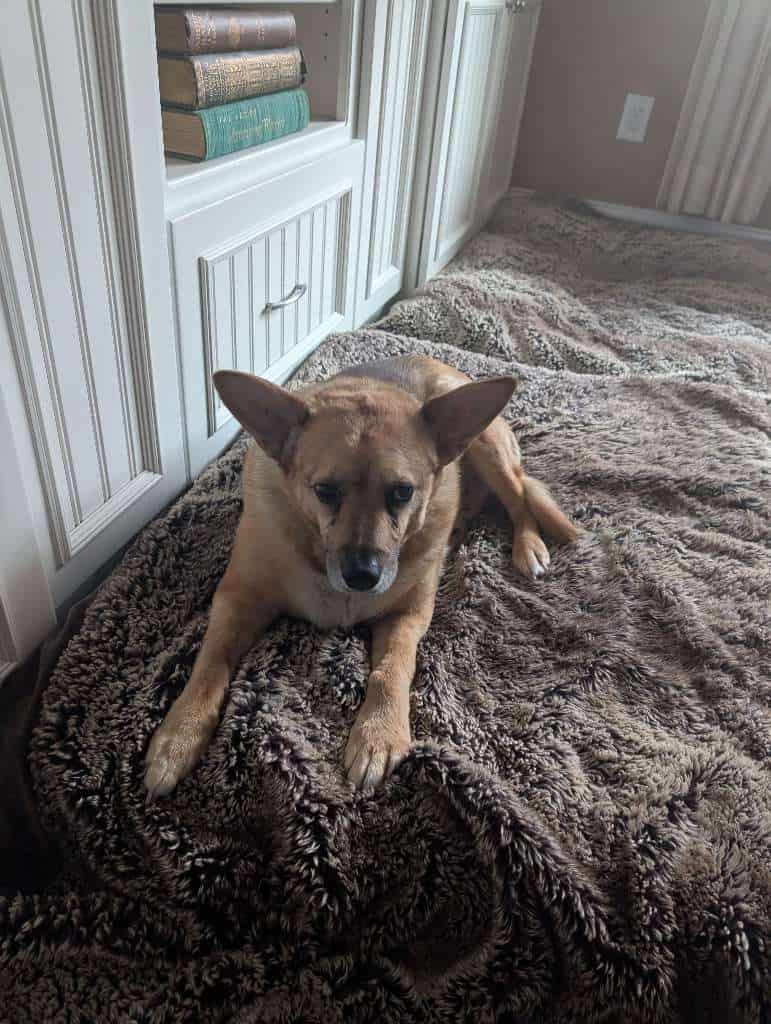
A recent visit with a dog named Max captured that difference well. When I arrived for his first visit, the meet and greet and pet profile had suggested one version of how things would go. The moment I reached for the leash, it was clear I needed to adjust. Max was skittish and went to hide as soon as I moved toward him. In a moment like that, experience shows up as a practical skill. A nervous dog does not need more pressure. He needs a calm person in the room. I sat down, stayed quiet, and let him decide when he was ready to close the distance.
Once he settled enough to come forward, I clipped on the leash and took him out for his morning walk. Outside, the contrast was immediate. Max looked like a different dog once he was back in a familiar rhythm. His tail wagged, and he moved through the neighborhood with a confident trot. The hesitation that defined the arrival faded as soon as the walk began. Repeated dog walking and pet sitting visits teach you to recognize that pattern quickly. Some pets struggle with the handoff. Once the routine becomes recognizable, they settle.
Back inside, Max was still cautious. He returned to his comfort space under a desk in the home office and would not eat his treat while I was there. Nothing about that first visit suggested a breakthrough, but it did establish the beginning of a pattern. By the next day, he no longer ran when I picked up the leash. He waited for me to put it on. By the following visit, he went straight to the door when he saw me reach for it. He understood what the visit meant.
That progression is familiar in pet sitting. First-time clients often imagine that the first visit has to go perfectly for the service to work. In practice, pets often need a short runway. In our experience, many dogs and cats settle into the routine within about three visits. Repeat clients tend to resume the pattern much faster because the structure is already there. They remember the walk, the feeding sequence, the sound of the sitter at the door, and the way the visit unfolds.
Not every first visit is defined by a nervous dog. Some are defined by complexity. We care for a client in Virginia Beach with three indoor cats, an outdoor feral cat they have taken responsibility for, and a turtle. On paper, it sounds manageable. In practice, that visit demands precise time management and close attention from the first minute to the last.
The visit starts outside with the feral cat, Min. I take her food out first, then return through the garage, turn off the alarm, and head into the house. From there, the sequence matters. I gather the bowls for the three indoor cats, prepare the right wet food for each one, mix in a little water, and place the dishes where they belong. Luna has a chicken allergy, while Hermione and Zelda eat food she cannot have. That means I do not put the bowls down and move on. I stay with them until Luna begins eating her own meal so no one drifts into the wrong bowl.
Only then does the rest of the visit open up. I clean the litter boxes, tie off the waste bag, wash the wet food bowls, refill the water, and leave down dry food before heading back through the garage to retrieve Min’s bowl and wash it out in the basin. Then I reset the alarm, take the litter to the trash, and finish the visit report. A client may never see how much order sits underneath a visit like that. What they see is that the home is cared for properly, the pets are fed correctly, and the visit feels steady. That steadiness is built on preparation.
This is where experienced pet sitting in Virginia Beach often differs from what first-time clients picture. People sometimes imagine that pet sitting begins when someone unlocks the door and improvises from there. Good pet sitting is more disciplined than that. The sitter is reading the household before arrival, carrying the care plan into the visit, and making adjustments without letting the visit lose its shape.
That is also why the first visit matters so much. It is the visit where the sitter learns how closely the pet’s real behavior matches the meet and greet. It is where the pet starts learning the rhythm of the service. It is where the household routine begins transferring, in small steps, from owner to caregiver. In a travel-heavy area like Virginia Beach, where many clients are balancing work trips, family travel, and changing schedules, that transfer of routine matters. Pets respond to pattern. They respond to a familiar walk, a familiar feeding sequence, and a person who moves through the visit with confidence rather than hesitation.
For first-time travel clients, that is often the clearest answer to the question they started with. How does pet sitting work once you leave? We arrive prepared. We follow the care instructions closely. We pay attention to what the pet is telling us in the moment. If the visit goes exactly as described, we carry the routine forward. If the pet needs something different on day one, we adjust without losing control of the visit. Once that routine is established, the visits begin to run with a rhythm the pet can understand.
The first visit is not about creating a perfect performance. It is about building a pattern the pet can trust. Once that happens, the rest of the service gets easier for everyone involved.