
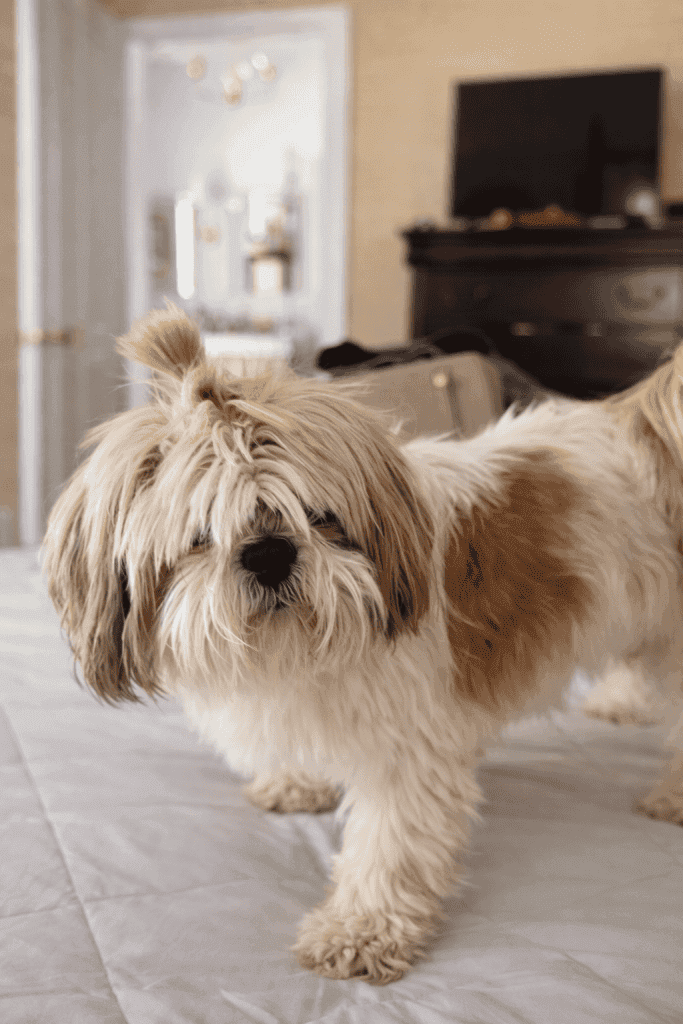
You get home from a trip and expect your dog to snap right back into your normal routine. So when your dog seems reserved, keeps watching the door, or stays fixed on a different rhythm, it can feel personal fast.
That reaction makes sense. You want to know your dog is happy to have you home and that the household still feels normal.
But a dog who seems a little different after vacation is not necessarily upset, distant, or confused. In some cases, the opposite is true. Your dog settled into the care routine that carried them through the trip and is still following part of that rhythm after you return.
Planning your next trip? Our in-home pet sitting in Virginia Beach, Chesapeake and Norfolk keeps meals, walks and visits close to your pet's usual routine. See how visits work or request a meet and greet.
Your Dog IS Not Ignoring You
If you have found yourself asking, “Why is my dog ignoring me after vacation?” the feeling behind that question is real. Your dog seems less clingy, less excited, or more interested in the door, the leash area, or the timing of the day.
Still, “ignoring” is not always the best description.
Your dog could still be following the timing and expectations that helped the week feel consistent while you were away.
Dogs pay attention to patterns. They notice when meals happen, when walks happen, when someone comes through the door, and what part of the day brings movement or attention. If those patterns stayed calm and consistent during your trip, your dog can keep tracking them after you get home.
That is not the same as detachment. It is a sign that the routine made sense to your dog.
What You Might Notice After a Good Pet Sitting Routine
Post-trip behavior is easier to understand when you look at the small household details.
Your dog could wait by the door around the time the pet sitter arrived each day. Your dog could watch the entry area during a familiar visit window. Your dog could head toward the leash area at the time walks happened while you were away. Your dog could expect meals on the same schedule that was kept during the trip.
You could also notice a broader pattern. Your dog moves through the day in a sequence that stayed intact while the family was gone. Rest, potty breaks, walks, meals, and check-ins all happened in a predictable order, and your dog is still moving inside that order.
By itself, that does not point to a problem. It points to a dog who learned the week had structure.
Why That Can Be a Good Sign
Not every change after vacation is a stress signal.
A dog who keeps part of the trip routine after you return could have felt secure in it. Familiar timing can last beyond the trip itself. When care is calm and consistent, pets do not always drop that rhythm the moment the suitcase is put away.
That is a good outcome.
A dog does not need to make a big emotional reset the second the family gets home. Some dogs burst with excitement. Some settle in quietly. Some stay tuned to the routine that helped the week make sense. None of those responses automatically means something went wrong.
This also speaks to a worry people have before they leave: Will my dog think I abandoned him when I go on vacation? A consistent in-home care routine helps reduce that sense of disruption. Dogs respond to what stays dependable around them. When visits happen on time, walks stay familiar, meals stay consistent, and the day keeps its shape, the absence feels more manageable.
What Good Pet Care Leaves Behind
Good pet care is not just coverage while someone is out of town.
Good care helps preserve rhythm. It protects the parts of daily life your pet recognizes and trusts. Feeding stays consistent. Walks happen when they should. Communication stays clear. The household does not feel like it fell apart because the family left for a few days.
That is the deeper value of in-home care.
At Stable Hands, the goal is not to create disruption or turn the trip into a dramatic event for the pet. The goal is to help life stay recognizable. That is why continuity matters so much in professional pet sitting. The best result is not a pet who had to scramble through the week. The best result is a pet who stayed grounded enough to carry that rhythm forward.
Reliable care is not just about completing visits. It is about protecting trust, timing, and the patterns that help pets stay settled in their own home.
If your dog stayed tuned to walk timing after your trip, that is not a small detail either. Consistent weekday movement creates structure before, during, and after travel. That is one reason regular dog walking supports more than exercise alone.
When a Behavior Change Deserves a Closer Look
A mild change in rhythm after vacation is one thing. A bigger behavior change deserves more attention.
Take a closer look if your dog has a sharp drop in appetite, unusual lethargy, distress that does not ease, repeated pacing, persistent withdrawal, bathroom changes, or anything else that feels clearly outside their normal range. Those signs point beyond simple post-trip readjustment and deserve follow-up.
The goal is not to overread every small behavior. The goal is to notice the difference between a dog who is still following a familiar schedule and a dog who seems unwell or unsettled in a more serious way.
The Trip May Be Over, But the Rhythm May Still Be There
By the time you return home, the trip is over for you. Your dog could still be moving through the rhythm that helped the week feel predictable.
That is not always a sign of distance.
Sometimes it is a sign that the care felt familiar enough to trust.
A dog who seems a little different after a trip is not always telling you that something went wrong. In some cases, your dog is telling you the routine held.
FAQ
Why is my dog acting different after vacation?
A different mood or routine after vacation does not always point to stress or resentment. Your dog could still be following the schedule that stayed in place while you were away. If meals, walks, and visits happened at consistent times, your dog can keep tracking that pattern for a little while after you return.
Will my dog think I abandoned him when I go on vacation?
Dogs respond more to routine, familiarity, and dependable care than to the story people tell themselves about a trip. When in-home care keeps the day predictable, many dogs settle into that pattern and move through the time away with less disruption.
Should I worry if my dog is not excited to see me after a trip?
Not right away. Some dogs explode with energy when their people return. Others stay calm, watchful, or focused on the routine they learned during the trip. Concern makes more sense when you see bigger changes such as appetite loss, unusual lethargy, ongoing distress, or behavior that feels clearly outside your dog’s normal range.