
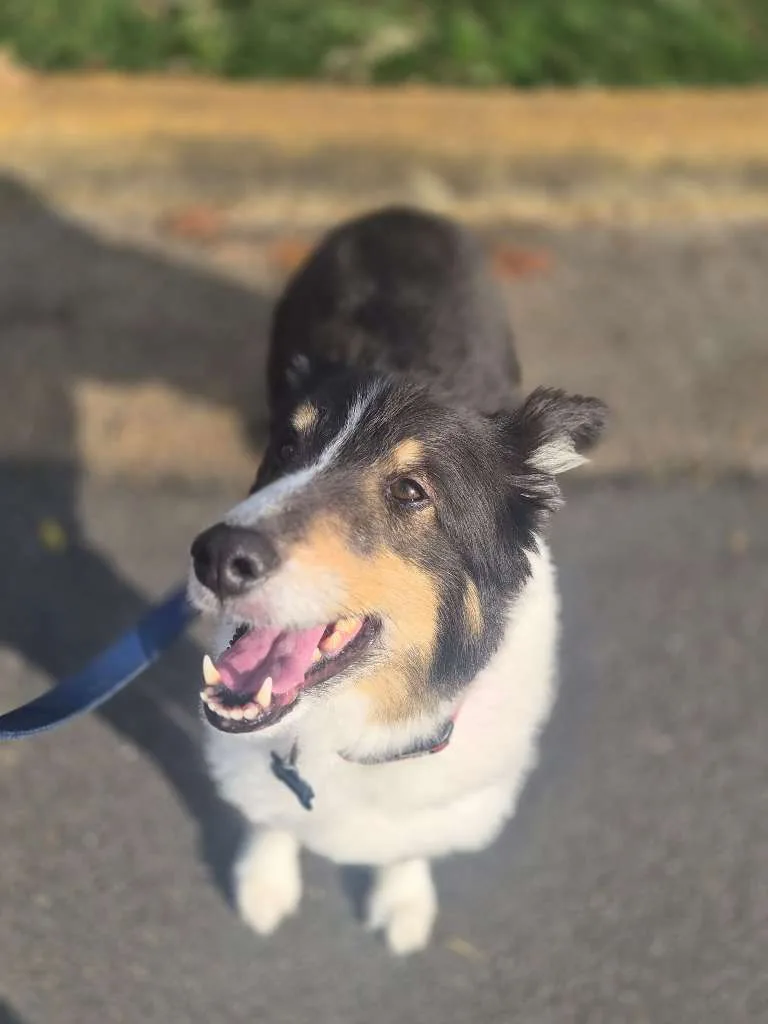
When a pet owner starts comparing dog walking and pet sitting options, the services can appear similar. A walk, a drop-in visit, an overnight stay, and a feeding routine all seem straightforward when described on a service page. The deeper question is how continuing care gets delivered once a household gives someone access to the home, the pet’s routine, and the details that make care feel reliable. This is why a local pet care company is more than a Rover alternative.
Stable Hands Pet Care & Services is a local, family-owned care company serving Virginia Beach, Norfolk, and Chesapeake. The work centers on continuity, communication, judgment, and local accountability. A marketplace can help a pet owner find available care, while a local care company manages the care relationship over time.
That distinction matters for households comparing a Rover alternative because the real decision goes beyond who is available this week. Pet owners are choosing the structure behind the visit, the people responsible for follow-through, and the way information carries forward from one service to the next. For families who want care that becomes part of the household rhythm, the operating model matters as much as the service itself.
A Bad Experience Can Clarify What a Household Needs Next
In any service business, things can go wrong. On a long enough timeline, every serious provider has to answer the same practical question: what happens next? The answer reveals the strength of the care structure behind the person performing the service.
Bad experiences cover a wide range. A pet receives the wrong food, a back door is handled incorrectly, communication feels incomplete, or a sitter seems unprepared for the pet’s routine. In more serious situations, the concern becomes a real breach of trust, and the client has to decide what standard of care they want going forward.
Those experiences matter because they clarify expectations. Some households realize they want more documentation, a clearer office contact, stronger visit notes, or a care team already familiar with the home. Others realize they want a company that owns the service after the booking, not only during the sales process.
A bad experience often points to a mismatch between the household’s expectations and the structure behind the care. The individual pet sitter or dog walker may care deeply and work hard. The larger question is who supports that person, how instructions are preserved, and who is accountable when a client needs an answer.
At Stable Hands, the level of care required guides the service. We match care teams to the pet’s needs, the household routine, and the client’s expectations. That approach creates a clearer way to prevent common problems, respond to changes, and support the people delivering care in the field.
A Local Care Company Builds the Relationship Around Accountability
A platform relationship begins with access and booking. Company-led care carries the relationship through setup, service, communication, support, and follow-through. That structure changes how the client experiences the service before, during, and after each visit.
Stable Hands has served Virginia Beach and the surrounding area for 11 years. When a client calls the office, they are calling a 757 number and speaking with people who work in the same region where the care takes place. The support system sits close to the service, which gives accountability a practical local shape.
Pet care involves keys, doors, alarms, medication notes, feeding instructions, leash habits, nervous pets, weather changes, household preferences, and small details that only become visible through repetition. Those details need somewhere to live, and they need people responsible for carrying them forward. A local care company organizes its work around that continuity.
One of our guiding principles is relationships that last. Stable Hands is built for care that grows with the pet, the client, and the household routine. Puppies mature, senior pets slow down, medication routines change, and travel schedules evolve, so the care model has to notice those changes and adapt with steadiness.
What a Marketplace Model Is Built to Do
Marketplace models are built for access, speed, and choice. A pet owner can browse profiles, compare reviews, look for availability, and book care through a platform. That model has real value for households that want quick access to individual providers.
Rover and Wag belong to that marketplace category. They help connect pet owners with independent providers, and many dedicated dog walkers and pet sitters use those platforms seriously and skillfully. The marketplace model gives clients a way to search, compare, and book with speed.
The tradeoff sits in the structure. Marketplace care depends heavily on the individual provider selected, the details of that booking, and the support available through the platform. For a client who wants convenience and quick access, that arrangement can fit the need.
Other households want more setup, more continuity, and a clearer support structure behind the person entering the home. They want care notes, office involvement, local follow-through, and a team matched to the pet’s needs. That kind of care takes more time to establish, and the setup is part of the value.
What a Local Pet Care Company Is Built to Do
A local pet care company is built to deliver care. The priority is the service itself: how pets are handled, how instructions are documented, how clients are updated, and how the company responds when something changes. The booking begins a care relationship that has to be supported, updated, and managed.
Stable Hands began with the owners in the field. That matters because the company was built by people who have handled real visits, real pets, real homes, and real service questions. When a staff member is at a visit and needs help, they have experienced local support a phone call away.
That support shapes the client experience long before the first completed service. A care company has to learn the household, collect instructions, understand access, document feeding and medication routines, discuss pet behavior, and prepare for the ordinary complications that come with real homes and real animals. The meet and greet functions as part of the care design.
For clients who want to understand this approach more fully, The Stable Hands Difference is the natural next step. That page explains how continuity, communication, and judgment shape the way we care for pets across Virginia Beach, Norfolk, and Chesapeake. Stable Hands is built to become part of the household rhythm, rather than a one-time booking that resets each time care is needed.
Why This Matters Even More for Recurring Dog Walking
Recurring dog walking makes the value of continuity easy to see. A one-time visit depends on clear instructions and a capable sitter, while weekday care adds the need for familiarity, coverage, and steady handling. The dog learns the walker, the walker learns the dog, and the household routine becomes easier to maintain.
Small handling details matter more over time. The care team learns which leash works best, which door to use, how the dog reacts to other dogs, and whether the route needs to change on hot, rainy, or high-traffic days. These details rarely look dramatic in a service description, but they shape the quality of care.
Gig work is structured around independent, flexible participation. That flexibility is part of its appeal, and it serves many people well. It also means the client is comparing availability differently than they would with a local company managing an ongoing care team.
Stable Hands has several care team members who have been with us for years. That stability matters for recurring dog walking because the household needs more than someone to take the dog outside. It needs a care pattern that holds across weeks, seasons, and schedule changes.
For clients looking for Virginia Beach dog walking or recurring weekday support in Norfolk or Chesapeake, our dog walking service is built around that kind of consistency. The goal is a dog who knows the rhythm, a client who understands the communication, and a care team that carries the details forward. Over time, that continuity becomes the quiet value of the service.
Questions to Ask Before Comparing Pet Care Options
A useful comparison begins with accountability. Who is responsible for the care itself, the communication, and the follow-through when something changes? Are you hiring an individual provider on a booking-by-booking basis, or are you working with a local company that supports the care behind the scenes?
Continuity deserves the same attention. Ask how instructions are documented, updated, and preserved over time. Ask what happens when the regular sitter or walker is unavailable, and whether the service will feel easier after the first booking because the care team already understands the household.
Communication carries much of the client experience. A strong care structure makes it clear who to contact, how updates are delivered, and how important details move from the client to the care team. The goal is less friction for the household, especially when routines change or the client is traveling.
The strongest pet care fit comes from matching the model to the need. Some clients want fast access to an available provider, while others want an ongoing relationship with office support and local accountability. Price and availability matter, but they only tell part of the story.
What This Means for Pet Owners in Virginia Beach, Norfolk, and Chesapeake
For pet owners in Virginia Beach, Norfolk, and Chesapeake, local matters. Stable Hands is part of the same communities where the care happens, and that proximity shapes how we understand the work. Beach traffic, military schedules, summer travel, stormy afternoons, apartment access, neighborhood layouts, and suburban routines all affect real pet care.
Local presence affects accountability because the office, the care team, and the client operate in the same service area. When care happens in the home, the client is trusting a company with access, judgment, timing, communication, and the comfort of the pet. That trust is earned through repeated, ordinary reliability.
For clients comparing Virginia Beach, Norfolk, and Chesapeake pet sitting, or ongoing dog walking support, the right choice depends on the kind of relationship they want behind the service. A marketplace can help a client find available care quickly. A local care company provides a managed relationship built around continuity, documentation, communication, and follow-through.
Stable Hands offers dog walking and pet sitting through that care-company model. Our Pet Sitting services support pets in their own homes while clients travel, and our dog walking and pet sitting FAQ page can answer any questions on how our services fit different household needs.
Stable Hands belongs in a specific category: a local care company built around how care is delivered, continuity, and accountability. For households that value a calmer ownership experience, consistent communication, and care that grows with the pet over time, that structure matters long before and long after the booking itself.