
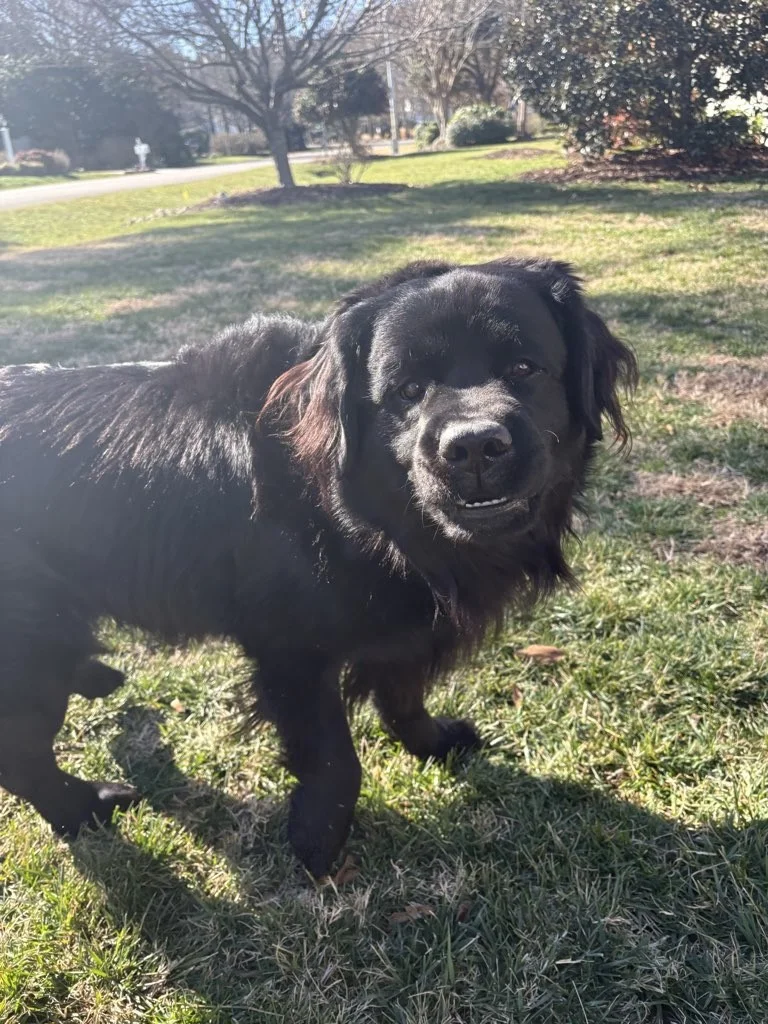
A meet and greet sits between the first conversation and the first visit. It is not a sales call, and it is not the service visit itself. It is also not a commitment to receive service or confirmation that services have been booked. For Stable Hands Pet Care & Services, the meet and greet is the final fit-and-readiness step before care begins.
This appointment gives us a chance to meet you and your pets inside the home where care will take place. It gives you a chance to meet us, walk us through the routine, and decide whether the relationship feels like the right fit. The best meet and greets are practical, focused, and not especially long. They help written instructions, Time To Pet profiles, home details, and real pet behavior come together before the first scheduled visit.
What Happens at a Dog Walking and Pet Sitting Meet and Greet?
A dog walking or pet sitting meet and greet is a walkthrough of your pet’s routine. We meet your pets, see how they respond to us, and review what care needs to look like during each visit. The conversation becomes more useful once everyone is standing in the same home, looking at the same doors, bowls, leashes, litter boxes, supplies, and pets.
During the walkthrough, we review the details that shape real care. That includes where the leash and harness are kept, where food and bowls are located, how much your pet eats, where medications are stored, how many litter boxes there are, which doors or gates we need to use, and where cleaning supplies are kept. We also talk through anything that affects the visit, including door behavior, feeding expectations, accident-prone areas, pet hiding spots, and household routines that matter while you are away.
For dog walking clients, the meet and greet includes the walking routine. We want to know preferred routes, leash handling notes, neighborhood dogs to avoid, gate instructions, cleanup expectations, and any places where your dog tends to get distracted or reactive. For cat sitting clients, the details are different but no less important. A cat’s favorite hiding spot, normal feeding behavior, litter box location, and usual greeting pattern all help us understand what normal looks like in that home.
The goal is not for you to give a perfect presentation. The goal is for us to see how care works in the real household. We are there to understand the routine well enough to preserve it when service begins.
Why Written Instructions Aren’t Enough on Their Own
Written instructions matter. Time To Pet profiles matter. We rely on them before, during, and after service because they tell us what care is required. They are the foundation of the care plan, and the meet and greet builds on that foundation by connecting those instructions to the physical reality of the home.
In more than 11 years in the in-home pet care industry, I have completed visits without a meet and greet. The hardest part is not always a scared dog or a hidden cat. Many times, the hardest part is practical orientation. I have searched for cans of cat food, dog poop bags, kitchen trash cans, towels, cleaning supplies, and other small items that become important during a real visit.
A written note can say to feed the cat dinner, but the meet and greet shows us where the food is, which bowl to use, where the trash is, what the cat does at feeding time, and what the kitchen routine looks like. A note can say to walk the dog after dinner, but the walkthrough shows us where the leash is stored, which door to use, which route the dog knows, and what to avoid in the neighborhood. Written instructions tell us the plan. The meet and greet helps us carry out that plan without turning the first visit into a search mission.
The Meet and Greet Helps Pets, Too
Our goal in pet care is to become part of your pet’s routine. That begins at the meet and greet. When care goes well, the meet and greet is sometimes the only time we are all together with your pet. We have clients whose pets we have cared for over many years while only meeting the client once at the original meet and greet.
That first meeting becomes a handoff. Your pet sees us enter the home while you are present. They see that we are allowed to be there, hear your voice, observe your comfort, and begin to understand that we are not intruders. We are caregivers you have accepted into their routine.
Pets do not all respond the same way, and that is part of the information we need. Some dogs greet us at the door with immediate enthusiasm. Some cats stay hidden and watch from a distance. Some pets need space before they decide how they feel. We do not need every pet to become comfortable instantly. We need to see where they are starting from so we can meet them there.
The Pet Sitter and Dog Walker’s Introduction to Routine
The purpose of professional pet care is routine stability. When we arrive for a meet and greet, many clients naturally offer water, a place to sit, or ask about our background. That is a comfortable start, and it matters because this is still a relationship built on trust. The real purpose begins when we walk through your pet’s routine.
This is where you show us how you provide care. Where is the leash stored? Where are the food, bowls, treats, and medications? How many litter boxes are there, and where are they located? Where does your pet hide? Where do they rest during a normal day? Where are the cleaning supplies? If there is an accident, where is it most likely to happen? What do we need to know about the neighborhood, the yard, the door, or the walk?
These details help us preserve the rhythm your pet already knows. They also help us recognize when something feels different. If your dog is normally on their bed in the living room, but we arrive and find them tucked away in a closet, that detail matters. It does not automatically mean something is wrong, but it is worth noticing. We only know to notice it because the meet and greet helped us establish the baseline.
Good care is not only completing tasks. It is understanding what normal looks like inside that specific home with that specific pet. The meet and greet gives the sitter or dog walker the context needed to use judgment instead of working from instructions alone.
What Clients Can Do Before the Meet and Greet
The best way to prepare for a meet and greet is to update your care details in Time To Pet before we arrive. That is where we review your pet’s routine, and it is where many of our questions will come from. Current information helps us use the appointment for clarification instead of starting from scratch.
Before the meet and greet, confirm that your address, phone number, emergency contact, pet profile, medication notes, access information, and care instructions are accurate. The profile does not need to be perfect, but it needs to give us a clear starting point. It is much easier to clarify where the cans of food are kept than to arrive without knowing how much food a pet receives.
You can also prepare questions that affect care quality or fit. If your dog or cat has caregiver preferences, this is the right time to discuss them. If your pet needs medication, you can ask about experience with specific care needs, such as diabetes injections or using a pill gun for a cat who resists medication. The meet and greet helps both sides decide whether the care relationship fits, and questions are welcome when they help clarify the level of care your pet needs.
What a Meet and Greet Is Not
A meet and greet is not confirmation that service is booked. It is not a commitment to receive service. It is an informal evaluation and final walkthrough before care begins. It helps us determine whether we have the information, access, routine understanding, and fit needed to provide care responsibly.
A meet and greet is also not a replacement for a completed Time To Pet profile or accurate written instructions. That distinction matters. It is one thing for a sitter not to know where the cans of cat food are kept. It is another thing entirely not to know how much food the cat receives, what medication is required, or who to contact in an emergency.
The meet and greet shows us how the routine works when everything goes right. The written care profile tells us what care is required. Professional judgment fills the space when a visit does not go exactly as expected. We have met happy, relaxed dogs during a meet and greet, then returned for service and found the same dog scared or skittish without their owner home. When that happens, we adjust, slow down, rely on experience, and complete the visit as safely and calmly as possible.
What a Meet and Greet Accomplishes
A meet and greet is part of the care stack. Your written instructions and Time To Pet profiles come first. The meet and greet comes next. Then service begins. Each layer matters because each one supports a different part of the care relationship.
The written profile tells us what care is required. The meet and greet connects those instructions to the home, the pet, the routine, and the real environment where care will happen. It is the fulcrum between the plan and the visit. It is where care stops being an idea and becomes a routine.
For pet sitting, that routine includes the details that protect continuity while you are away: feeding, medication, litter boxes, home access, updates, supplies, and household expectations. For dog walking, it includes leash handling, route preferences, timing, cleanup, door routines, and your dog’s normal behavior before and after the walk. For clients in Virginia Beach, Norfolk, and Chesapeake, this step helps us bring professional structure into a personal space: your home.
When setup is done well, the first visit does not feel improvised. Your pet has had a first introduction. Your sitter or dog walker knows where to enter, where supplies are kept, what each visit requires, and what normal looks like. The result is care that protects the routine your pet already knows. When you return home and your pet’s day feels steady, familiar, and undisturbed, the meet and greet has done its job.