
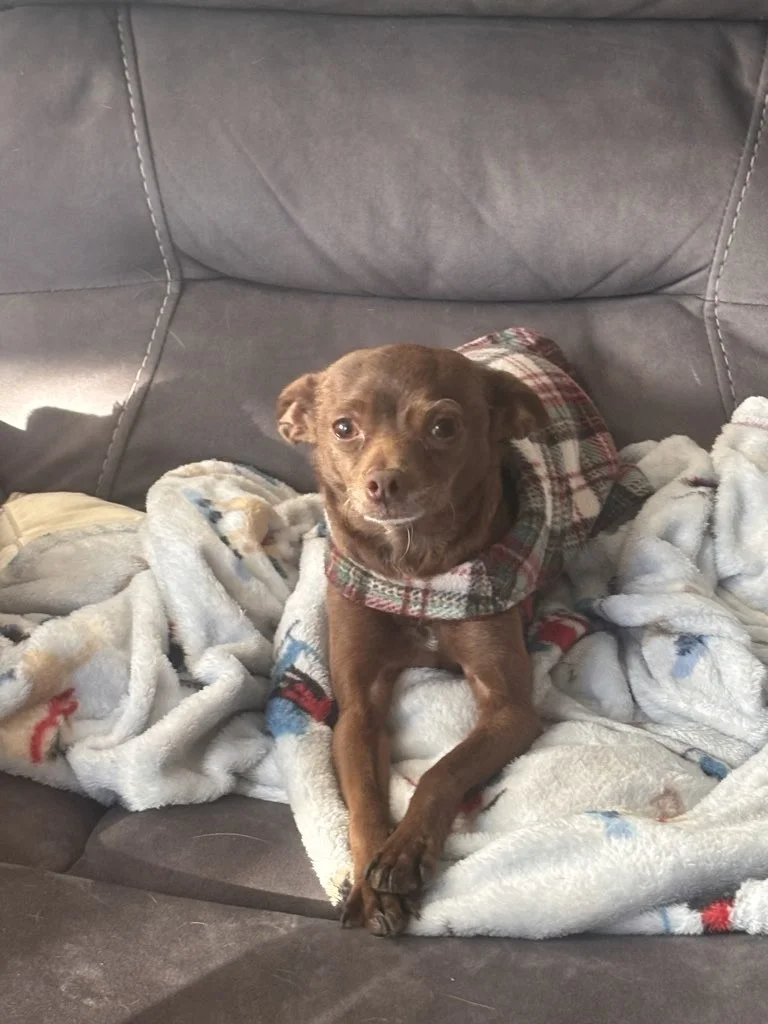
Summer unrolls faster than we think, and soon fireworks will be igniting the sky. With America’s 250th anniversary celebrations already underway, fireworks may start sooner and continue longer than they do in a typical year.
One of the most important things to understand is that fear of fireworks can be managed. The best approach depends on your individual pet, but waiting until the first loud boom is rarely the best plan.
Prepare Early for Fireworks
Whether your strategy is to play recordings of fireworks to help desensitize your dog to the noise, use a calming product such as Rescue Remedy, or snuggle them into a Thundershirt, it is best to begin preparing now.
Desensitization training should be gradual. The goal is not to play loud fireworks sounds and force your dog to endure them. Begin at a low enough volume that your dog notices the sound without becoming frightened. The volume can then be increased slowly as your dog becomes more comfortable.
Calming products and pressure wraps may also help some pets, but no single option works for every animal. If your pet has a history of extreme noise anxiety, this is also the time to speak with your veterinarian rather than waiting until the day before a fireworks display.
Know How Your Pet Reacts to Loud Noises
If your pet is anxious about fireworks, there is a good chance that other loud noises bother them as well.
Do they hide or bark when trucks roll down the street? Do they corner themselves during thunderstorms? Do they react strongly to construction, thunder, or other sudden noises?
If so, fireworks are likely to cause a problem.
Watch for pacing and whining as the noises begin. As the fireworks continue, an anxious dog may begin shaking, cowering, hiding, barking, or looking for a way to escape.
Dogs with serious noise anxiety usually are not subtle. If your dog is frightened, you are probably going to know. The question is not simply whether your pet becomes anxious. It is what they try to do when they feel that anxiety.
Know What Makes Your Pet Feel Safe
The most important part of preparing for fireworks is understanding how your individual pet responds to fear.
We once cared for a hound dog who wanted to hide in the bathroom. That was it. The dog did not want comfort or company. They simply wanted their own quiet space to deal with the noise.
Other pets want to be close to someone. Our cat is not a fan of loud noises, and when he is scared, he wants a lap to lie on.
Neither reaction is wrong. Some animals feel safer with company, while others want to retreat and be left alone.
The most concerning reaction is an attempt to escape. A panicked dog may charge toward a glass door, push through a weak screen, squeeze through an opening, or try to get out of a fenced yard.
For pets that react this way, doors, windows, gates, and other exits need to be secured before the fireworks begin. Do not assume that a dog will stay in the yard simply because they normally do. Fear can cause an otherwise predictable pet to behave very differently.
Decide Whether Your Pet Can Be Left Alone
There are degrees of anxiety when it comes to fireworks.
Some dogs do not mind the noise at all. If your dog has no history of noise-related anxiety, they may be perfectly fine being left alone.
The next level is a pet who becomes anxious but manages the fear by lying on the floor or finding a place to hide. These pets may also be fine alone. A check-in before the fireworks begin and another after they end may be enough to make sure they are comfortable and secure.
Then there is the final category: pets who will do anything to get away from the noise.
To them, the sky is falling, and they have to escape. These are the dogs and cats who may injure themselves, damage doors or windows, break out of yards, or run if given an opportunity.
Those pets should not be left alone during fireworks.
The decision should be based on what your pet has shown you in the past—not on what another dog needs or what you hope your pet will do this time.
Make a Plan for Fireworks Night
Your plan depends on how your pet reacts to noise.
If your pet has an extreme reaction or is one who actively seeks comfort, someone should be with them while the fireworks are taking place. That may mean staying home, arranging for a trusted family member or friend to be there, or scheduling care during the hours when fireworks are most likely.
If having someone with them is not possible, begin working on desensitization training now. Do not wait until fireworks are already exploding nearby.
Pets in the milder categories may only need a check-in before and after the fireworks. The earlier visit gives them an opportunity to go outside, eat, take medication if prescribed, and settle into their safe place before the noise begins. The later visit confirms that they are secure and gives them another chance to go outside once the neighborhood has become quieter.
There is no single fireworks plan that works for every pet. Some want a bathroom. Some want a lap. Some barely notice the noise at all.
The right plan begins with knowing your pet and arranging the level of support they actually need.