
Cats Are Independent. They Still Need a Check-In.
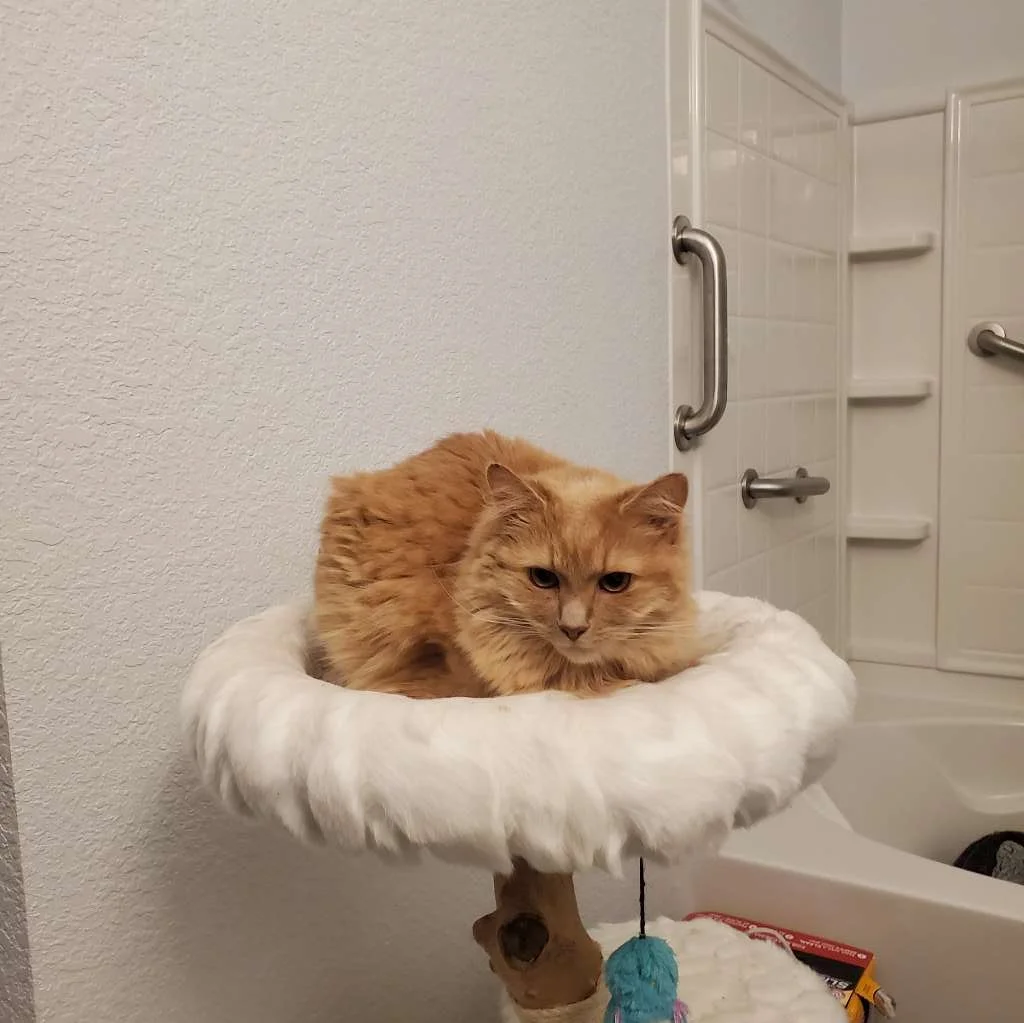
Short getaways have become a practical way to travel without committing to a full week away. A two-night trip can also feel too brief to require weekend cat sitting. Pack a bag, lock the door, and leave a large bowl of food. Unlike a dog, a cat does not need a walk or a trip outside. Many cats prefer affection on their own terms and spend much of the day sleeping whether their people are home or away.
The idea that cats are self-sufficient comes from something real. They are independent animals. They can eat, drink, use the litter box, and settle into their favorite hiding places without constant involvement from a person. That independence makes a weekend away look simple.
But a cat being comfortable alone is different from a cat being safe without anyone checking in. Independence describes how a cat moves through the day. It does not mean food, water, health, and the home environment will remain unchanged until you return.
A Full Bowl Only Answers the Food Question
Leaving extra food assumes the cat will pace their meals across the entire trip. Some do. Others eat more than usual on the first day and leave too little for the next. A bowl can tip. Food can become stale or attract insects. A water dish can spill, and a fountain can lose power. An automatic feeder may open on schedule, but it cannot confirm that the cat ate.
Food is also only one part of a cat's day. The litter box provides useful information about whether a cat is urinating and using the bathroom normally. Changes in appetite, water consumption, litter box use, or behavior can be the first indication that something is wrong. A stocked bowl cannot observe any of them.
The question is not whether enough supplies were left behind. The question is whether anyone will know if the plan stops working.
Cats and Houses Do Not Stay Where You Left Them
Cats have a talent for creating situations in quiet houses. We have found cats shut inside bedrooms, closets, cabinets, and pantries. We have walked into homes where cats pushed dishes from countertops, knocked over plants, or rearranged more of the house than their owners would have expected. In one case, a cat turned on a gas stove.
These examples are not an argument that every unattended cat will create an emergency. They show why the condition of the house matters. A door that swings shut can separate a cat from food, water, or the litter box. A broken planter can leave soil, pottery, or a toxic plant within reach. A curious cat can get into a space and become unable to get back out.
Medical problems create the same need for timely observation. A cat may stop eating, vomit, become lethargic, or begin straining in the litter box between the time an owner leaves and returns. The Cornell Feline Health Center identifies a urinary obstruction as a true medical emergency that can deteriorate rapidly. A sitter does not diagnose the problem, but a person must be present to observe that the cat's behavior or environment has changed and contact the owner or veterinarian.
A visit cannot prevent every problem. It can prevent a problem from continuing for days without anyone knowing it exists.
A Check-In Does Not Require a Social Cat
Not every cat wants cuddles, play, or a visitor sitting beside them. Some cats greet a sitter at the door. Others watch from the stairs, retreat under a bed, or make it clear that company is unwelcome. Professional cat care should respect those differences.
The value of a visit is not measured by how much petting happens. It comes from having someone check in on the cat, refresh food and water, care for the litter box, and observe the home. The sitter can confirm that the cat has not trapped themselves in a room, knocked over a plant, pushed too many dishes from the counter, or gotten into another situation that requires attention.
For the owner, even a short visit provides useful reassurance. A written update and current photo replace an assumption with real information from inside the home. For the cat, the visit preserves the familiar feeding and litter routine without demanding interaction they do not want.
Short Trips Still Need a Complete Cat-Care Plan
For a healthy cat, we generally recommend one or two visits each day, aligned with the cat's normal feeding schedule. A cat accustomed to eating twice a day should not have the structure of their day replaced by one oversized bowl simply because the trip lasts a weekend instead of a week. Cats with medication, health concerns, or more involved routines may require a different plan. Our guide to how often a cat sitter should visit explains how feeding, medication, age, and temperament shape that decision.
Stable Hands provides professional in-home cat sitting in Virginia Beach, Norfolk, and Chesapeake. We build visits around each cat's established routine and temperament, including cats who seek companionship and cats who prefer to keep their distance. Every visit includes a real-time update, photos, and clear notes about how the cat and home are doing.
If you are planning a short trip, request a meet and greet with Stable Hands and put daily cat care in place before you leave. Your weekend may be brief. Your cat's care should still be complete.