
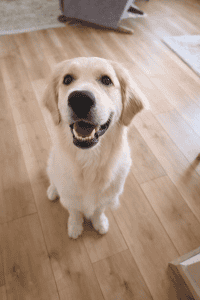
 When people leave town, pets are not simply waiting for them to come back. They are experiencing a temporary change in the rhythm of home.
To an outside observer, the difference may seem small. The house is quieter. Meals happen on a different cadence. The usual footsteps, sounds, and movement patterns are missing. For pets, those details matter. They help define what feels normal.
That is one reason the right travel care matters. It is not only about making sure someone stops by. It is about helping a pet stay settled while the usual pattern of home changes for a little while. For many dogs and cats in Virginia Beach, professional in-home pet care supports that steadiness in a way that feels practical, calm, and sustainable.
In this Article
ToggleWhat Dogs Often Experience While You’re Away
Dogs often register absence through changes in routine.
Many dogs organize their day around human movement. They recognize when people usually wake up, leave the house, return home, prepare meals, head outside, or settle in for the evening. When that pattern changes, dogs often respond in practical ways.
Some become more watchful. They may spend more time near the door, the window, or the part of the house where activity usually begins. Some become restless around the times a walk, meal, or usual return home would normally happen. Others become especially eager for contact when a caregiver arrives because that visit helps the day feel familiar again.
These responses do not always look dramatic. Often, they show up as pacing, checking, waiting, extra alertness at certain times, or difficulty settling for long stretches. What helps most is usually not constant stimulation. It is a familiar structure.
A well-timed visit, a familiar walk pattern, calm handling, and consistent care can help the day feel more understandable. Walks are not only exercise. They also help many dogs regulate, reset, and settle.
That is where in-home pet sitting helps. Good care at home preserves the cues dogs already rely on while their owners are away. In some households, dog walking also supports that routine, especially for dogs that are used to predictable midday movement and regular outdoor time.
What Cats Often Experience While You’re Away
Cats often experience owner absence differently, but the change still registers.
Cats are usually more tied to territory than activity. Their steadiness tends to come from place, scent, repetition, and control over their environment. That is why many cats appear quieter or more reserved at first when their owners are away. Some hide more. Some watch from a distance before approaching. Some show small changes in eating pace, water intake, or litter box rhythm.
Cats are also good at masking stress. A cat may not look outwardly upset while still being affected by a change in household rhythm. This is one reason observation matters during travel care. Small changes are often more important than dramatic ones.
For many cats, the goal of care is not excitement. It is continuity. Familiar feeding routines, clean litter boxes, calm visits, and a caregiver who moves through the home in a steady, predictable way all help support that continuity.
Cats often settle better when they remain inside the environment they already trust. Their sleeping spots are the same. Their food and water are where they expect them to be. The smells of home are still where they expect them to be. Less of their world has changed.
That is one reason many cat owners choose pet sitting or more cat-specific cat sitting visits at home. The advantage is not just convenience. It is reduced disruption inside the cat’s own territory.
Why Home and Familiar Surroundings Matter During Travel
Home itself helps many pets stay settled.
Familiar smells matter. Familiar sounds matter. Sleeping spots, feeding locations, walking routes, litter box setup, light patterns, and room-to-room habits all matter. These details form the backdrop of a pet’s daily life. When they stay intact, pets often have an easier time adjusting to the temporary absence of their owners.
This matters during travel because the owner’s absence is already a change. Moving the pet into a new environment adds another layer of disruption.
For many households, the question is not only who will provide care. It is also where that care will happen, and how much of the pet’s normal world can remain recognizable while the owner is gone.
That is why in-home care works so well for many dogs and cats. It allows the pet to stay grounded in the place they know while receiving professional care inside that familiar setting. For pet owners looking for pet sitting in Virginia Beach, that home-based continuity is often the real benefit.
What Professional Pet Sitting Supports Beyond Food and Potty Breaks
Professional pet sitting is often reduced to a short list of tasks. In practice, it supports much more than that.
Yes, it includes the essentials. Meals are served on time. Water is refreshed. Dogs get bathroom breaks and walks. Cats get litter box care. Medications can be administered when needed.
But the real value is broader and more practical than a checklist.
Professional pet sitting helps keep meals, walks, rest, and check-ins in a familiar pattern. It gives the pet a steady point of contact during a period when the household rhythm is different. It provides observation, which matters because behavior changes are often the first sign that a pet is having trouble adjusting. It brings consistency in how the caregiver enters, interacts, and moves through the visit, which helps many pets settle more quickly. It also gives owners updates from someone who knows what to watch for and what deserves attention.
That continuity matters for older pets, pets with medical needs, dogs that rely on predictable walks, and cats that do best with as little environmental disruption as possible.
Pets experience care through repeated, ordinary moments. Consistent routine, meals served on the same schedule, and walk or play at the usual time. A clean litter box. A calm presence in the home. Those moments are often what make an owner’s absence easier to move through.
This is where professional pet sitting becomes more than a visit on the calendar. It becomes structured continuity during travel.
What This Means for Pet Owners Planning Time Away
When owners think clearly about what their pet will actually experience during a trip, care decisions usually become easier.
A dog that thrives on rhythm needs predictable visit timing, steady handling, and a walk schedule that still feels familiar. A cat that is deeply tied to territory may do best with calm in-home care and minimal disruption to the household environment. An older pet often benefits from closer observation and a steadier routine. A more skittish or reactive pet doesn’t need more activity. They needs a consistent routine.
This is usually the standard worth using when planning travel care. Not just whether someone will stop by, but whether the care plan helps the pet remain settled, comfortable, and more like itself while home life is temporarily different.
For many households in Virginia Beach, that is exactly why in-home care makes sense. It preserves routine, reduces unnecessary disruption, and keeps the care period more grounded in the pet’s normal environment.
Helping Home Still Feel Familiar Until You Return
When you leave town, your pet’s world changes for a while.
Good in-home pet sitting helps reduce how disruptive that change feels. It keeps the environment familiar, the routine more intact, and the daily rhythm easier to follow. It supports comfort through repetition, steadiness, and sound judgment.
The goal is not simply to cover the time until you return. It is to help home still feel familiar while you are away.
If you’re planning travel and want care that helps your pet stay comfortable in their own environment, learn more about our pet sitting services.