
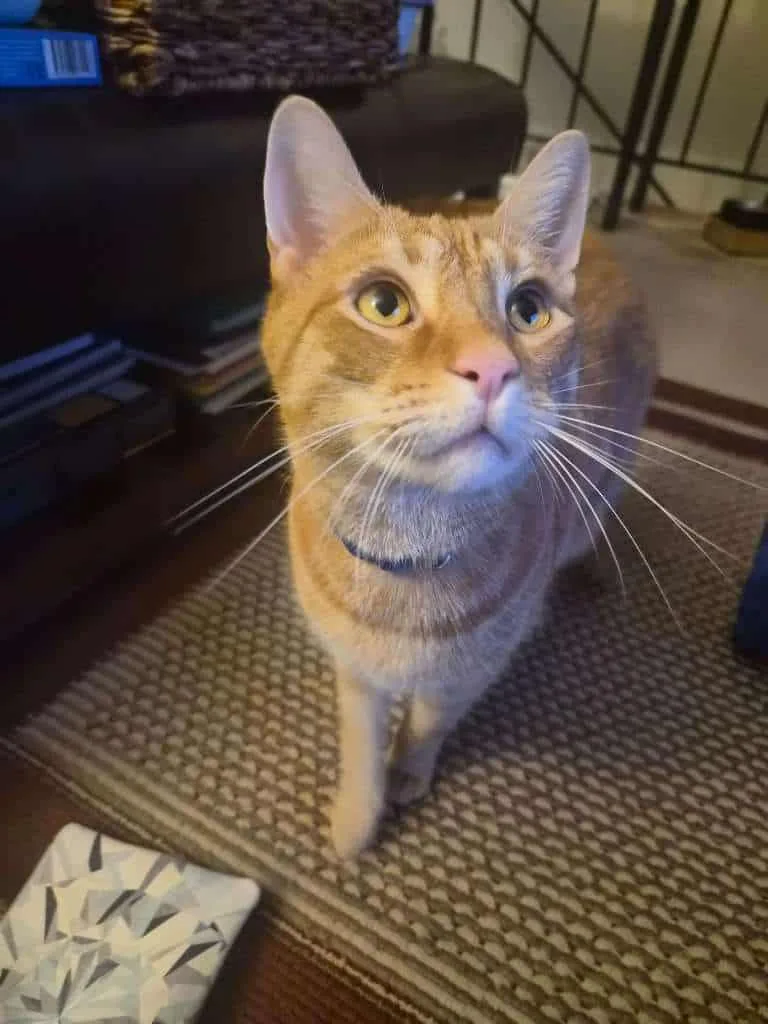
1. The Cat in the Towel
At one of our visits, the medical equipment was unremarkable: a bag of fluids, a length of tubing, and a needle. The patient was less accommodating.
The cat needed subcutaneous fluids, a treatment routinely prescribed for owners to administer at home. The cat also needed to be wrapped in a towel and held securely before the treatment could begin. It was not a veterinary emergency. It was ordinary home care, which is precisely what made it complicated. The possibility of these situation has many pet parent's asking can a pet sitter give medication?
Yes, a professional pet sitter can give your pet medication while you are away. The answer becomes more complicated when the question moves from whether medication can be given to whether it can be given to this particular animal, by this particular person, on a day when the animal may be feeling particularly unhelpful.
That distinction matters. Medication administration is sometimes described as though it were one more household task, somewhere between refreshing the water bowl and bringing in the mail. But the water bowl does not hide beneath a bed. The mail does not spit out its pill. A needle does not become less sharp because the person holding it is calm.
The sitter needs to know what to do. The pet must also permit enough of it to happen.
2. Easy Is Not the Same as Simple
The ideal pill disappears inside a pill pocket, a piece of ham, or a spoonful of something irresistible. Everyone leaves the transaction pleased with themselves.
This is the version of medication administration people tend to imagine when they ask whether a pet sitter can handle it. Sometimes it is accurate. We have cared for pets who accept their medicine more eagerly than their dinner. We have also met animals who can separate a tablet from a mouthful of food with the precision of a forensic chemist.
The method matters, but so does the medication.
Insulin and heart medications can be critical. Their schedules do not offer much room for improvisation. Pain medication and other prescriptions may not present the same immediate risk, but they protect something equally real: the pet’s ability to move, rest, eat, and enjoy the day without unnecessary discomfort. Quality of life is not a decorative concern.
Stable Hands can administer anything a veterinarian has prescribed for use at home. That includes pills, liquid medication, injections, and subcutaneous fluids. Intravenous medication belongs in a veterinary setting.
The dividing line is therefore not between “easy medicine” and “serious medicine.” It is between a routine that has been properly understood and one that has merely been assumed.
3. The Relationship Is Important
The visible equipment for giving an injection is easy to identify. There is a syringe, the medication, and a prescribed dose. The less visible equipment is trust.
A syringe can measure insulin. It cannot manufacture cooperation.
This is why medication care begins at the meet and greet. We review what is given, when it is given, where it is stored, and how the owner normally administers it. We also meet the pet in the place where the medication will actually be given.
That last part is important because knowledge does not automatically transfer into access. A sitter may understand subcutaneous fluids perfectly and still have no practical way to administer them to a cat who will not come within six feet. Giving an injection requires a different degree of trust than placing a pill in food. Even a pill can become difficult when the pet knows the person offering it is new.
For especially distrustful pets, one meeting may not be enough. A few introductory visits can give the pet time to become familiar with the care team before the owner leaves. These visits may look uneventful. That is often the point. The sitter enters, spends time with the pet, and leaves without asking for anything difficult.
Trust is built before it is tested.
4. The Rehearsal Problem
A successful meet and greet can create its own kind of confidence.
The owner demonstrates the routine. The pet takes the pill. The sitter repeats the process. Everything works. Then the trip begins, the owner is gone, and the pet rejects the same medication delivered in the same way.
We have seen this happen. It does not mean the meeting failed or the instructions were poor. It means the plan involved a living animal rather than a controlled procedure.
This is where the difference between an individual sitter and a professional care team becomes consequential.
If a pet refuses critical medication, a Stable Hands team member does not have to exhaust every idea alone. Another experienced person can offer a different approach or come to the home to help. The solution might involve changing the reward used to motivate the pet. It might require another person to hold a particularly angry cat while the medication is administered safely.
Experience matters, but experience is not the same thing as infallibility. The more useful question is whether the care arrangement can adapt when the first attempt does not work.
A professional system should not depend on every pet behaving exactly as expected.
5. Ask What Happens Next
When interviewing a pet sitter, ask whether they can administer your pet’s medication. Then ask the question that reveals much more:
“What happens if my pet refuses?”
The answer should extend beyond confidence. It should tell you who the sitter can call, whether another experienced person can assist, and whether the sitter is operating alone or as part of a professional company.
A pill hidden in ham may not require a team. The moment the pet discovers the pill, the value of that team becomes easier to see.
Stable Hands provides medication support as part of our in-home pet sitting services throughout Virginia Beach, Chesapeake, and Norfolk. We learn the routine during the meet and greet, schedule introductory visits when a pet needs more time, and provide the care team with support when an animal makes the original plan obsolete.
Pets with medical needs should not make travel impossible. They do require a better plan than hoping everything goes smoothly.
If that plan happens to be backed by a professional team that shockingly resembles Stable Hands, so much the better.